
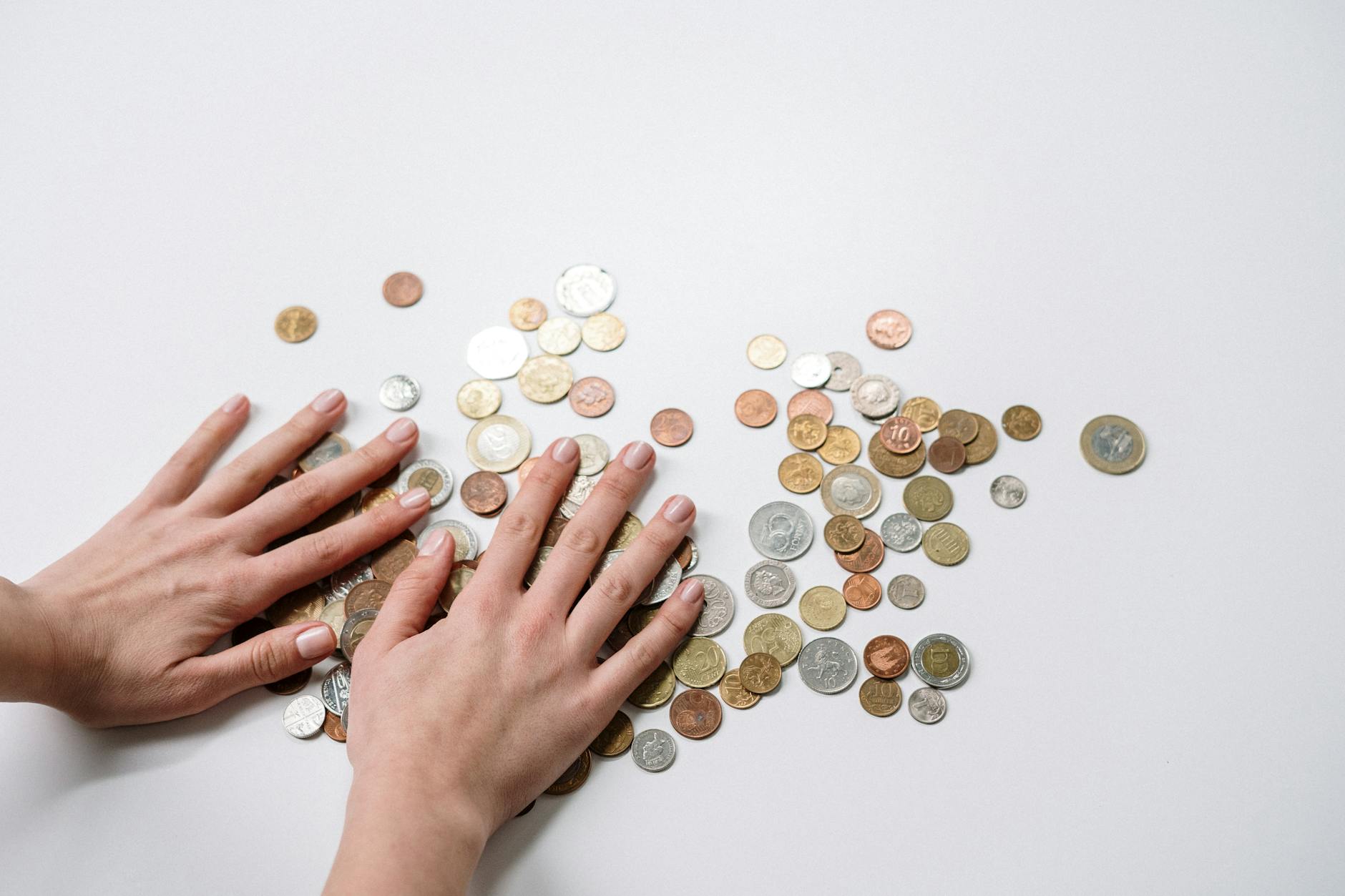

Whether a one-dollar coin is worth more than its face value depends on several factors, including its age, rarity, condition, and whether it contains precious metals.
Here’s a breakdown:
- Older silver dollars (pre-1935): Many older US dollar coins minted before 1935 were made of silver, making them inherently valuable due to their silver content. These coins often fetch a premium over face value, with common dates typically worth $35-45 or more, depending on the current market price of silver.
- Calculating silver value: A silver dollar from 1935 or earlier contains 26.73 grams of 90% silver, which equates to 0.773 troy ounces of pure silver. With silver currently at $25 per ounce, the melt value of such a coin is approximately $19.33, [according to Gainesville Coins].
- Sacagawea, Susan B. Anthony, and Presidential dollars: Most modern dollar coins (like the Sacagawea, Susan B. Anthony, and Presidential series) are primarily made of copper and nickel alloys and do not contain silver or gold.
- Face value and collectibility: While these coins are worth their face value ($1) and can be used as legal tender, their numismatic value depends on factors like rarity and condition.
- Special issues and errors: Some modern dollar coins, particularly those with errors or special mint products intended for collectors, can command premiums. For example, a rare variety of the 1972 Type 2 Eisenhower Dollar can be worth up to $800 in mint condition. Errors like missing edge lettering on Presidential dollars can also make them valuable to collectors.
- Condition: Coins in excellent, uncirculated condition generally hold higher value than those that are worn or damaged.
- Rarity: Coins with lower mintages (the number of coins produced) or those with unique characteristics (like errors) are scarcer and thus more valuable to collectors.
- Key Dates: Certain dates within a coin series can be particularly sought after due to historical significance, low mintage, or other factors. For instance, the 1893-S Morgan Dollar, with a mintage of only 100,000, can fetch prices upward of $300,000.
- Market demand: The demand from collectors and investors can influence the value of certain coins.
In conclusion, while most modern one-dollar coins are only worth their face value, some older silver dollars or rarer modern varieties can be worth significantly more due to their precious metal content, historical significance, or unique characteristics like errors. If you possess a one-dollar coin and suspect it might be valuable, it’s recommended to consult with a coin expert for an accurate appraisal.









How do I know if I have a rare $1 coin?
From my experience, One of the easiest ways to tell if a coin is rare is to check the date. If the coin is from before 1800, it’s likely rare. Coins minted in the 19th century are also generally considered rare, with a few exceptions. Coins from the 20th century are less likely to be rare, but there are still some that meet the criteria.