
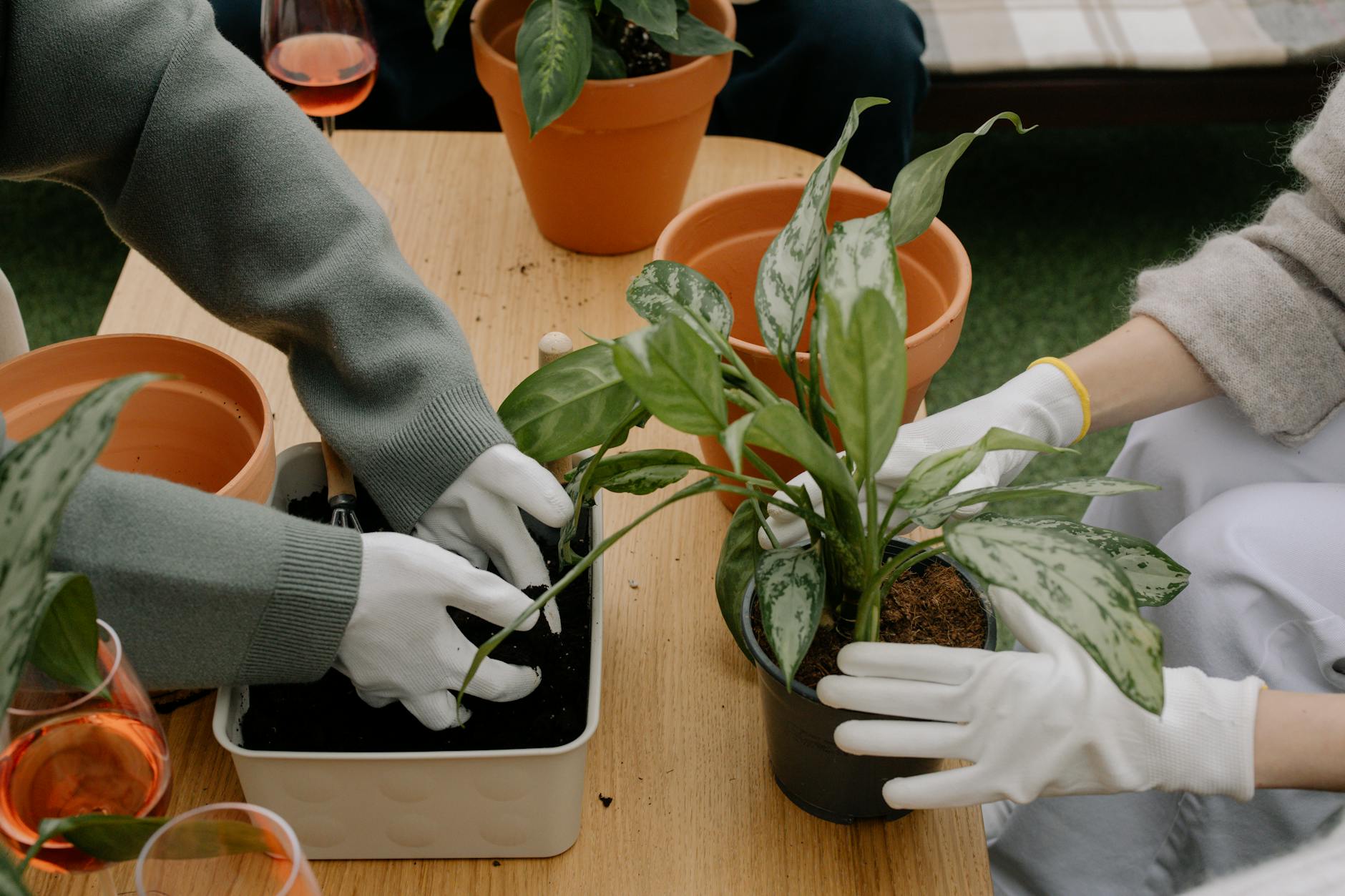

The term “coin plant” can refer to several different houseplants, most commonly the Chinese Money Plant (Pilea peperomioides ) or the Jade Plant (Crassula ovata), [according to Lively Root] . Both are popular for their round, coin-shaped leaves and are associated with a variety of benefits, both tangible and symbolic.
Here are some of the key benefits attributed to money plants:
- Air Purification: Money plants, like other houseplants, are known for their ability to improve indoor air quality by removing toxins like benzene, formaldehyde, xylene, and carbon monoxide. The NASA Clean Air Study conducted in 1989 even featured the Money Plant for its air-purifying capabilities, [says Marcum’s Nursery].
- Low Maintenance: These plants are relatively easy to care for and can thrive in moderate light and with minimal watering, making them suitable for busy individuals or beginners in gardening.
- Aesthetic Appeal: With their bright green foliage and unique shapes, money plants add a touch of nature and freshness to any space, enhancing its visual appeal.
- Humidity Regulation: Money plants release moisture through transpiration, which can help regulate indoor humidity levels, potentially relieving dry skin, throat irritation, and respiratory problems.
- Cleaning Aquarium Water: Money plants can be grown with their roots in aquarium water (leaves above the surface) where they absorb harmful nitrates, improving the water quality for aquatic life.
- Attracting Wealth and Prosperity: In Feng Shui and Vastu Shastra, Money plants are believed to attract good luck, wealth, and abundance. They are often placed in the southeast corner of a home or office to activate the wealth sector. The coin-shaped leaves are thought to be a visual reminder of financial prosperity.
- Creating a Positive Environment: The presence of Money plants is believed to promote peace, positive energy, and reduce stress and anxiety, creating a more harmonious and calming atmosphere in the home.
- Strengthening Relationships: Some belief systems, like Feng Shui, suggest that Money plants can help strengthen relationships and foster harmony within families. The heart-shaped leaves are thought to symbolize love and affection, notes Propertycloud.in.
- Boosting Productivity: The calming influence of Money plants is said to enhance focus and concentration, potentially leading to increased productivity in work or study spaces.
- Symbol of Friendship: The Chinese Money Plant is often referred to as the “friendship plant” because it’s easy to propagate and share cuttings with friends and family, strengthening bonds and creating connections.
While some benefits, particularly those related to wealth and luck, lack scientific evidence, many people enjoy the aesthetic and air-purifying qualities of money plants, along with the positive symbolism associated with them. Whether you’re a believer in the symbolic benefits or simply appreciate their beauty and ease of care, a money plant can be a delightful addition to your home or office.









Is coin plant lucky?
From my experience, Attracts Prosperity and Wealth
Money plants are known to attract prosperity, good luck and wealth. The same goes for the Chinese Money plant. The healthier your plant is, the more prosperity it will generate!
Where to put a coin plant?
I can help with that. The Chinese Money Plant thrives in bright, indirect sunlight—it loves soaking up gentle light but doesn’t appreciate harsh, direct rays that can scorch those iconic, coin-shaped leaves. The best spot? Near a large, bright window in a kitchen, bathroom, or living room where it can bask in filtered sunlight all day long.
Do money plants actually work?
Thanks for asking. While many believe that having a Money Plant can attract wealth and positive energy, there is no scientific evidence to support the idea that it can directly increase financial wealth.
Is coin plant edible?
From my experience, Description. The plant has an umbrella-like leaf and lives commonly in wet places such as wetlands, marshes and swamps, sometimes even in deeper water. It grows as a perennial herbaceous plant and only reaches stature heights of 5 to 20 centimeters. With a slight smell of carrot, it is edible.