
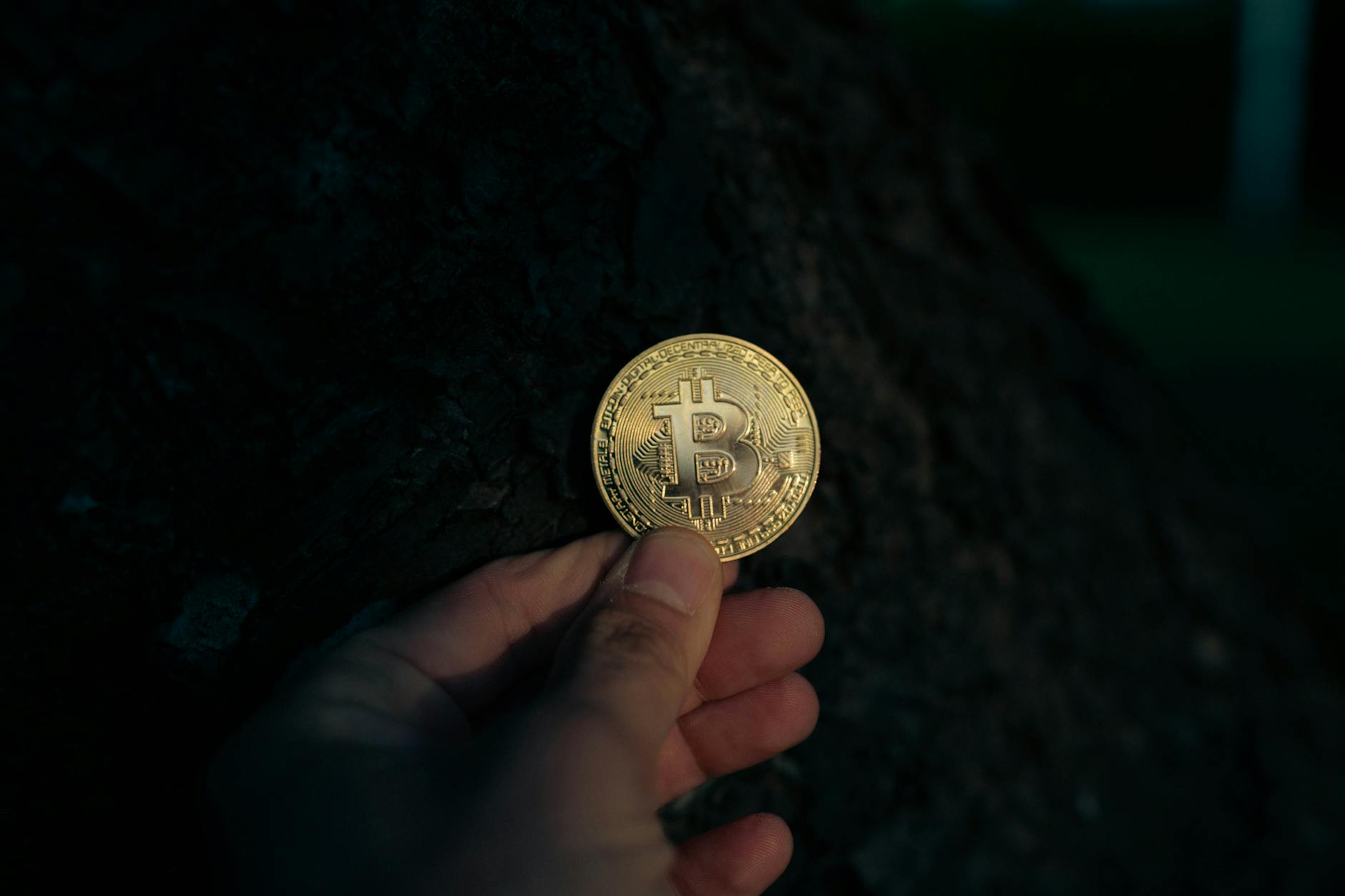

If you’re wondering if a coin is a proof coin, here are some key indicators to look for:
- Mirror-like fields and frosted devices: Proof coins typically exhibit a high degree of visual contrast. The background (fields) of the coin will be highly polished and reflective, resembling a mirror, while the raised design elements (devices) will have a frosted or matte finish. This contrast is a key characteristic of proof coins.
- Sharp, detailed design and strike: Proof coins are struck multiple times with specially prepared dies and planchets (coin blanks) under high pressure. [According to Gainesville Coins] , this meticulous process ensures exceptional detail and crisp edges in the coin’s design, surpassing the quality of regular circulation coins.
- Original packaging and certificate of authenticity: Proof coins are typically sold directly by government mints, often in special protective packaging and accompanied by a certificate of authenticity (COA).
- Mint marks: Some proof coins have specific mint marks, such as the “S” for coins produced at the San Francisco Mint. Note that some proof sets without mint marks are rare and valuable, according to [U.S. Gold Bureau].
In contrast, business strike (or regular) coins are made for general circulation and are not struck multiple times or with the same meticulous care as proof coins. [According to the U.S. Mint] , Uncirculated coins, while also collectible and in mint condition, don’t possess the same mirror-like fields as proofs.
- Reverse Proofs: These coins have the opposite appearance of traditional proofs: frosted fields and mirror-like devices.
- Grading: Professional grading services use specific criteria to evaluate the condition and authenticity of proof coins. [As noted by Finest Known] , Proof coins are graded on a scale of 60 to 70 and are designated with the prefix “PR” or “PF”.
By carefully examining the coin’s appearance and keeping these factors in mind, you can increase your confidence in determining whether a coin is a proof. When in doubt, consulting a reputable coin dealer or a professional grading service can provide a definitive answer.









How do you tell if a quarter is a proof coin?
Good point! Proof coins have a mirror-like background with frosted design elements. The Mint uses a special process of manually feeding burnished coin blanks into presses with specially polished dies. Each coin is struck at least twice to bring out the details in the design.
How do you proof a coin?
Thanks for asking. In addition, Proof coins are struck at least twice, the second strike deepening the relief and firming the definition. Each strike uses less pressure than our standard minting process in order to preserve more of the fine detail present in the artwork.