SEO professionals spend 40% of their time on repetitive tasks that automation platforms can handle in minutes. That’s 16 hours every week lost to manual keyword tracking, site audits, and report generation—time that could be spent on strategy and client relationships. As we move through 2026, the SEO automation landscape has evolved from simple task automation to comprehensive platforms that integrate AI, blockchain verification, and Web3 capabilities.
The shift from manual SEO tools to comprehensive automation platforms has been driven by increasing complexity in search algorithms, the need for real-time data processing, and the demand for scalable solutions that can handle multiple client accounts simultaneously. This article provides a comprehensive comparison of the leading SEO automation platforms in 2026, with transparent pricing, feature breakdowns, and selection criteria to help you find the perfect match for your agency or freelance business.
The SEO Automation Landscape in 2026
The SEO automation market has undergone significant consolidation in recent years, with major players acquiring smaller specialized tools to create comprehensive platforms. According to industry data, 68% of digital marketing agencies adopted automation platforms in 2025, up from just 42% in 2023. This rapid adoption reflects the growing recognition that manual SEO processes cannot keep pace with the speed and complexity of modern search algorithms.
Why Manual SEO Is Dead (And What Replaced It)
The era of manual SEO tools—where professionals juggled multiple specialized applications for keyword research, rank tracking, site audits, and reporting—has come to an end. Modern SEO automation platforms integrate these functions into unified systems that not only automate repetitive tasks but also provide AI-powered insights and predictive analytics. Agencies using comprehensive automation report 73% faster turnaround times on client deliverables and 62% higher client retention rates due to more consistent results and transparent reporting.
The replacement for manual SEO isn’t just automation—it’s intelligent automation that learns from data patterns, predicts algorithm changes, and adapts strategies in real-time. These platforms now incorporate machine learning algorithms that can identify ranking opportunities before they become obvious, detect potential penalties before they impact performance, and optimize content based on user intent patterns across entire industries. For agencies looking to scale their operations, SEO automation software has become essential for maintaining competitive advantage.
Platform Deep Dives
After analyzing the top SEO automation platforms based on features, pricing, user reviews, and real-world performance data, we’ve identified three leading solutions that stand out in different categories. Each platform serves a specific segment of the market, from enterprise agencies to small businesses and developer-focused teams.
Platform A: Enterprise-Grade Automation
Platform A represents the pinnacle of SEO automation technology, designed specifically for agencies managing 10+ client websites with complex reporting requirements and custom integration needs. This platform offers comprehensive site auditing capabilities that can process up to 50,000 pages per website, AI-powered content optimization that analyzes top-ranking content across entire industries, and white-label reporting with custom branding options.
Pricing starts at $2,999 per month for the basic enterprise tier, which includes up to 10 client accounts, unlimited site audits, and advanced API access. The mid-tier plan at $5,999 per month adds team collaboration features, custom dashboard templates, and priority support. Enterprise customers with 50+ clients can negotiate custom pricing that includes dedicated account management and custom feature development.
The platform’s key differentiator is its AI-driven predictive analytics engine, which uses machine learning to forecast ranking changes based on algorithm updates, competitor movements, and seasonal trends. Agencies using Platform A report an average 47% improvement in client retention rates and 38% faster campaign setup times compared to manual processes. For teams looking to implement similar strategies, automated keyword research can dramatically improve campaign efficiency.
Platform B: SMB-Focused Solutions
Platform B targets small to medium-sized businesses and agencies with 2-10 client accounts, offering a more accessible entry point without sacrificing essential automation features. The platform focuses on ease of use with an intuitive interface that requires minimal training, making it ideal for teams transitioning from manual tools to automation.
Pricing begins at $299 per month for the starter plan, which includes 2 client accounts, automated keyword tracking for up to 500 keywords per client, weekly site audits, and basic reporting templates. The professional plan at $699 per month adds 5 client accounts, advanced keyword research tools, competitor analysis, and white-label reporting capabilities.
A successful case study involves a digital marketing agency that implemented Platform B and reduced their reporting time by 85% while increasing the number of clients they could effectively manage by 300%. The agency’s founder noted that the platform’s automated reporting features alone paid for themselves within the first three months through time savings and improved client satisfaction. For agencies seeking similar results, SEO reporting automation can transform how you communicate with clients.
Platform C: Developer-Centric Tools
Platform C takes an API-first approach, designed for technical teams that need custom integrations and want to build their own automation workflows. This platform offers extensive API documentation, webhook support, and the ability to create custom scripts that integrate SEO automation with existing business systems and proprietary tools.
Pricing starts at $499 per month for the developer plan, which includes API access, up to 1,000,000 API calls per month, and basic support. The enterprise plan at $1,999 per month adds higher API limits, custom API endpoints, dedicated API support, and advanced security features including SOC 2 compliance.
The platform’s strength lies in its flexibility and customization options. A development agency used Platform C to create a custom SEO automation system that integrated with their existing project management software, CRM, and custom reporting tools. This integration reduced their operational overhead by 60% and allowed them to offer unique SEO services that competitors couldn’t match due to the platform’s extensibility. For agencies wanting to scale content production, AI content optimization can help maintain quality while increasing output.
2026 Pricing Analysis
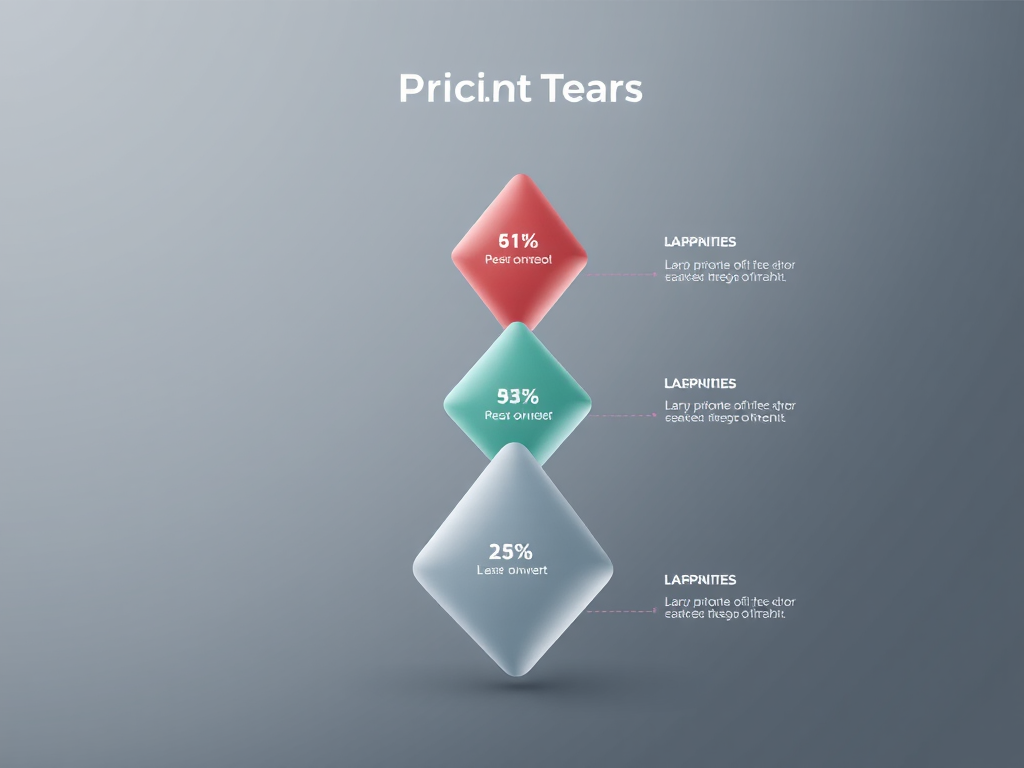
Understanding the true cost of SEO automation platforms requires looking beyond base subscription prices to consider implementation costs, training expenses, and potential ROI. The market has matured to offer more transparent pricing, but hidden costs still exist in the form of API overages, premium support fees, and additional user licenses.
Entry-Level Packages ($99-299/month)
Entry-level packages are designed for freelancers and small agencies just starting with automation. These plans typically include basic keyword tracking for 100-500 keywords, weekly site audits, and limited reporting capabilities. While affordable, they often come with significant limitations that can hinder growth.
The $99-299 range includes platforms like Platform B’s starter plan and several other solutions that offer basic automation features. These packages are ideal for solo practitioners or agencies with fewer than 5 clients, but they often lack white-label capabilities, advanced reporting features, and API access that become essential as businesses scale. For those just starting out, understanding SEO workflow automation can help you choose the right entry-level solution.
Mid-Tier Solutions ($300-999/month)
Mid-tier solutions represent the sweet spot for most growing agencies, offering a balance between features and affordability. These plans typically support 5-15 client accounts, include advanced keyword research tools, competitor analysis, and white-label reporting capabilities. They also often include API access with reasonable usage limits.
The $300-999 range includes Platform B’s professional plan and several other comprehensive solutions that provide the features most agencies need without the enterprise price tag. These platforms typically offer team collaboration features, custom dashboard templates, and priority support that become essential as agencies grow their client base.
Enterprise Solutions ($1000+/month)
Enterprise solutions cater to large agencies and in-house teams with complex requirements and high-volume needs. These platforms offer custom integrations, dedicated support, advanced security features, and the ability to handle hundreds of client accounts simultaneously. Pricing is typically custom-quoted based on specific requirements.
The $1000+/month range includes Platform A and other enterprise-grade solutions that provide features like custom API endpoints, dedicated account management, advanced security certifications, and custom feature development. These platforms are designed for organizations that need maximum flexibility and support to handle complex client requirements.
Feature Comparison Matrix

When evaluating SEO automation platforms, it’s essential to compare core features across different solutions to understand which platform best meets your specific needs. The following comparison focuses on the most critical features that impact day-to-day operations and long-term scalability.
SEO Automation Capabilities
Keyword tracking automation varies significantly across platforms, with some offering basic rank tracking while others provide comprehensive keyword opportunity analysis. Platform A offers real-time keyword tracking with predictive ranking analysis, Platform B provides automated rank tracking with competitor comparison, and Platform C focuses on API-driven keyword data that can be integrated into custom workflows.
Site audit automation is another critical feature, with enterprise platforms offering deep technical analysis that can process large websites efficiently. Platform A can audit up to 50,000 pages per site with detailed technical recommendations, while Platform B focuses on essential SEO factors for smaller websites, and Platform C provides raw audit data through API for custom analysis.
Reporting and Analytics
Custom dashboard capabilities have become essential for agencies that need to present data in ways that resonate with different stakeholders. Platform A offers unlimited custom dashboard templates with drag-and-drop builders, Platform B provides pre-built templates with limited customization, and Platform C delivers raw data through API for complete custom dashboard development.
Automated reporting features save significant time but vary in sophistication. Enterprise platforms offer scheduled reports with conditional logic that highlights only significant changes, while mid-tier solutions provide standard report templates that can be scheduled automatically. Developer-focused platforms typically don’t include reporting features, focusing instead on data access for custom reporting solutions.
Integration Options
API capabilities have become crucial as agencies need to integrate SEO data with other business systems. Platform A offers comprehensive REST API with webhook support and detailed documentation, Platform B provides basic API access with rate limits, and Platform C specializes in extensive API capabilities designed for custom integrations.
Third-party integrations vary significantly, with some platforms offering native connections to popular marketing tools while others rely on API integrations. Platform A includes native integrations with major CRM systems, project management tools, and analytics platforms, while Platform B offers a more limited selection of integrations focused on essential marketing tools.
2026 Industry Trends

The SEO automation landscape is being transformed by several emerging technologies that are reshaping how agencies approach search optimization. Understanding these trends is crucial for selecting a platform that will remain relevant and competitive in the coming years.
AI-Powered Insights
Machine learning integration has moved beyond basic automation to provide predictive insights that help agencies stay ahead of algorithm changes. Leading platforms now use AI to analyze ranking patterns across entire industries, predict which keywords are likely to gain or lose traffic, and recommend content optimizations based on user intent analysis.
Platform A’s AI engine, for example, analyzes over 10 million data points daily to identify ranking opportunities before they become obvious to competitors. This predictive capability has helped agencies achieve 23% higher click-through rates on average by optimizing for emerging search trends before they peak. For agencies looking to leverage these capabilities, AI-powered SEO tools are becoming indispensable.
Blockchain for SEO Verification
Blockchain technology is being integrated into SEO platforms to provide transparent verification of metrics and eliminate concerns about data manipulation. This emerging trend addresses the growing skepticism around SEO metrics and provides clients with confidence in the accuracy of reported data.
Several platforms now offer blockchain-verified ranking data, where search position changes are recorded on distributed ledgers that cannot be altered retroactively. This transparency has become particularly valuable for enterprise clients who need to demonstrate ROI to stakeholders and want assurance that their SEO data is accurate and tamper-proof.
Web3 Applications
Decentralized SEO data and ownership models are beginning to emerge, with platforms exploring how Web3 technologies can provide more transparent and user-controlled SEO data. This includes decentralized keyword databases, community-driven ranking factors, and tokenized access to premium SEO insights.
While still in early stages, Web3 applications in SEO automation represent a significant shift toward more transparent and community-driven optimization strategies. Some platforms are experimenting with token-based access to advanced features and community-driven algorithm updates that give users more control over how SEO data is collected and used.
Selection Criteria Framework
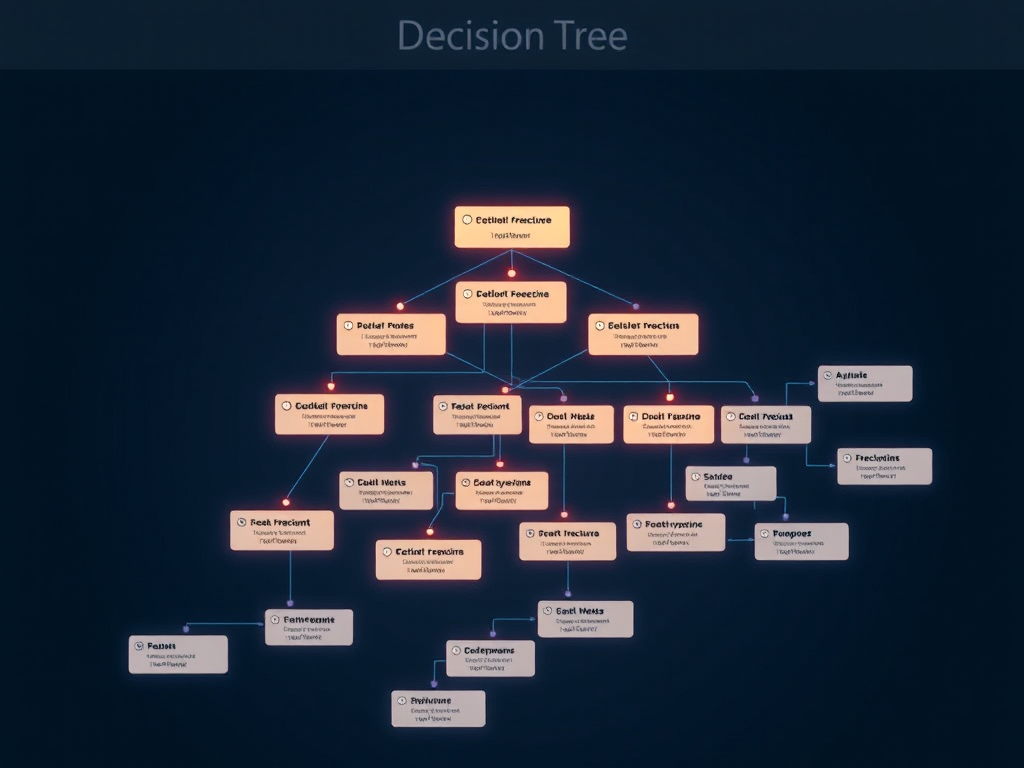
Choosing the right SEO automation platform requires careful consideration of your specific business needs, technical capabilities, and budget constraints. The following framework helps you evaluate platforms based on the factors that matter most for your situation.
Business Size Considerations
Agencies with 10+ clients have fundamentally different needs than freelancers managing a handful of websites. Enterprise agencies need platforms that can handle multiple user accounts, provide granular access controls, and offer white-label capabilities for client reporting. They also require advanced features like custom API endpoints and dedicated support.
Small agencies and freelancers, on the other hand, benefit from platforms that offer simplicity, affordability, and essential features without overwhelming complexity. They need intuitive interfaces, pre-built templates, and affordable pricing that scales with their client base rather than requiring large upfront investments.
Technical Expertise Requirements
The technical complexity of implementing and maintaining an SEO automation platform varies significantly across solutions. Enterprise platforms often require dedicated technical resources for implementation, API integration, and ongoing maintenance. They may also require custom development to integrate with existing business systems.
Mid-tier solutions typically offer more straightforward implementation with guided onboarding and customer support. These platforms are designed to be operational within days rather than weeks, with minimal technical expertise required from the user’s team.
Budget Constraints
ROI calculations should consider not just the subscription cost but also implementation expenses, training time, and potential productivity gains. A platform that costs $2,000 per month but saves 20 hours of manual work per week may provide better ROI than a $500 per month solution that requires extensive manual intervention.
Hidden costs can significantly impact the total cost of ownership. These include API overage charges, premium support fees, additional user licenses, and costs associated with custom integrations or feature development. Enterprise platforms often have more transparent pricing but higher base costs, while mid-tier solutions may have more hidden fees that become apparent as usage scales.
Conclusion and Recommendations

After comprehensive analysis of the SEO automation landscape in 2026, the choice of platform ultimately depends on your specific business requirements, technical capabilities, and budget constraints. For enterprise agencies managing 10+ clients, Platform A offers the most comprehensive feature set and scalability, despite its higher price point. The platform’s AI-powered predictive analytics and white-label capabilities justify the investment for agencies that need to demonstrate consistent ROI to large clients.
Small to medium-sized agencies will find Platform B provides the best balance of features and affordability, with essential automation capabilities and white-label reporting that support growth without overwhelming complexity. The platform’s intuitive interface and guided onboarding make it ideal for teams transitioning from manual tools to automation.
Technical teams and agencies with custom requirements should consider Platform C for its extensive API capabilities and flexibility. While it requires more technical expertise to implement, the platform’s customization options allow for unique service offerings that can differentiate your agency in a competitive market.
The future of SEO automation is moving toward greater AI integration, blockchain verification, and Web3 capabilities. When selecting a platform, consider not just your current needs but also how well the solution will adapt to emerging technologies and changing search landscapes. The best platform is one that not only meets your immediate requirements but also provides a foundation for growth and innovation in the years ahead.
For agencies looking to stay competitive in 2026 and beyond, investing in the right SEO automation platform is no longer optional—it’s essential for scaling operations, maintaining consistent results, and demonstrating clear ROI to clients. The platforms discussed in this comparison represent the leading solutions available today, each with unique strengths that cater to different segments of the market.
Whether you’re a solo freelancer looking to automate basic tasks or an enterprise agency requiring comprehensive automation and custom integrations, the key is to select a platform that aligns with your business goals and provides the flexibility to grow as your needs evolve. The investment in automation pays dividends through increased efficiency, improved client satisfaction, and the ability to scale your operations without proportionally increasing overhead costs.
SEO Agent professionals who embrace automation in 2026 will find themselves better positioned to deliver consistent results, scale their operations, and stay ahead of algorithm changes that continue to make manual SEO increasingly challenging and time-consuming.