In today’s hyper-competitive real estate market, timing is everything. Studies show that failing to respond to a lead within five minutes decreases the odds of conversion by 400%. This staggering statistic reveals why traditional SEO methods are no longer sufficient for real estate professionals. The integration of AI agents into real estate SEO strategies represents a fundamental shift in how properties are marketed, leads are captured, and local search dominance is achieved.
AI SEO tools: Which wins? are specialized software solutions that combine artificial intelligence with property-specific optimization techniques. These agents don’t just improve search rankings—they transform entire marketing workflows by automating MLS data synchronization, generating neighborhood content at scale, and qualifying leads through intelligent behavioral analysis. For real estate agents, brokers, and marketing directors, these AI-powered tools offer unprecedented opportunities to dominate local search results while dramatically reducing manual workload.
The AI Revolution in Real Estate SEO
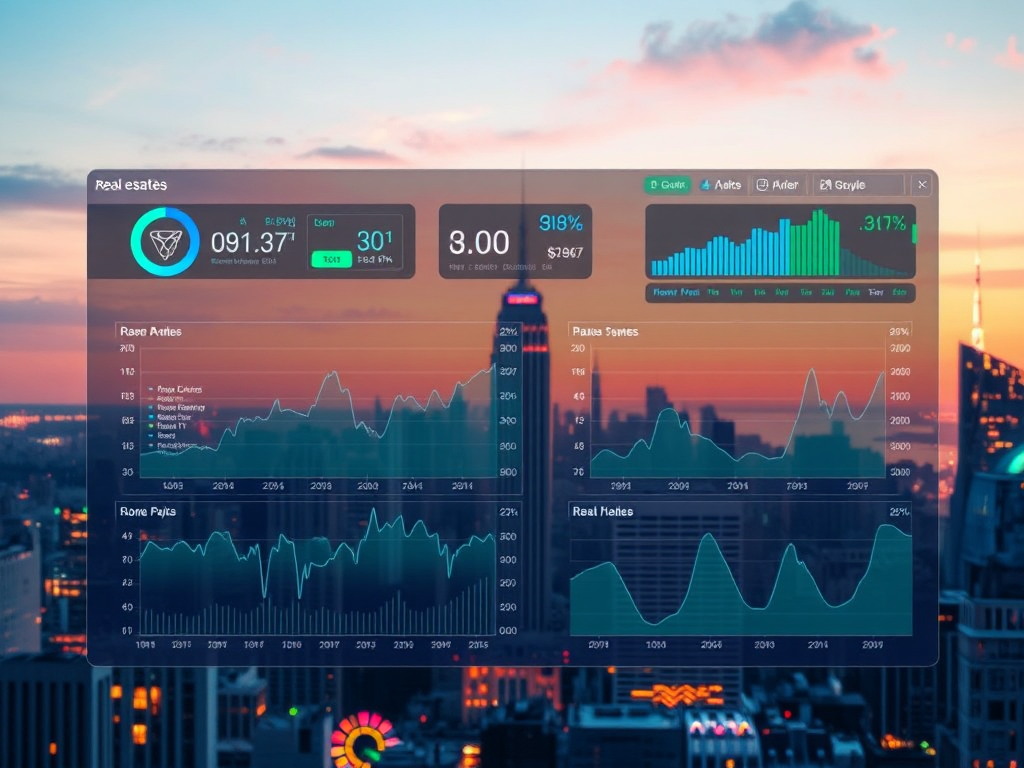
The real estate industry has undergone a dramatic transformation over the past decade, with AI-powered solutions becoming increasingly central to successful marketing strategies. how to build an AI SEO agent, while still valuable, struggle to keep pace with the dynamic nature of property listings, neighborhood market changes, and the 24/7 expectations of modern homebuyers and sellers.
From Manual to Automated: The Evolution
Automate SEO tasks effortlessly with AI from simple keyword optimization to sophisticated AI-driven systems. The journey began with basic listing optimization and has progressed through several technological breakthroughs:
- Manual listing updates and keyword research (2010-2015)
- Automated content scheduling and basic local SEO (2015-2018)
- AI-powered market analysis and predictive analytics (2018-2021)
- Full-stack AI agents with MLS integration and lead qualification (2021-present)
Today’local SEO AI agent setup guides represent the culmination of this evolution, offering real-time MLS synchronization, automated neighborhood content generation, and intelligent lead scoring that adapts to market conditions and buyer behavior patterns.
MLS Integration Strategies

Multiple Listing Service (MLS) integration represents the backbone of effective AI SEO agent: Step-by-step guide. AI agents that can seamlessly connect with MLS databases provide a significant competitive advantage by ensuring property listings are always current, optimized, and properly structured for search engines.
API Integration Workflows
Successful MLS integration requires careful planning and technical implementation. The process typically involves:
- MLS API access and authentication setup
- Property data field mapping and synchronization
- Automated content generation templates
- Real-time update monitoring and error handling
- Performance optimization and maintenance procedures
Real estate professionals implementing these workflows report significant time savings—typically 4-6 hours per week that would otherwise be spent manually updating listings across multiple platforms. The key is establishing robust error handling procedures that ensure data consistency even when MLS systems experience downtime or API changes.
Automated Listing Optimization
Once MLS integration is established, SEO AI agent competitor analysiss can automatically optimize property listings for search visibility. This includes dynamic title and description generation based on property features, automated image optimization with proper alt text, and schema markup implementation that helps search engines understand property-specific information.
For example, an AI agent can analyze a property’s characteristics—such as square footage, number of bedrooms, location, and unique features—then AI SEO agents: Future is now-optimized titles like “3-Bedroom Family Home with Pool in [Neighborhood] – [Price]” that incorporate relevant keywords while maintaining natural language flow.
Neighborhood Content Automation

Local SEO dominance requires comprehensive neighborhood content that addresses the specific needs and interests of potential buyers in each area. AI agents excel at generating this content at scale while maintaining quality and relevance.
Scalable Content Production
Neighborhood content automation involves creating templates that can be populated with dynamic data. AI agents can generate:
- Market trend analysis based on recent sales data
- Local attraction and amenity descriptions
- School district information and ratings
- Community event calendars and local business highlights
- Transportation and commute time information
This approach allows real estate professionals to maintain comprehensive neighborhood pages for multiple areas without the time investment traditionally required for manual content creation. The key is balancing automation with human oversight to ensure accuracy and maintain authentic local voice.
Local SEO Optimization
Neighborhood-specific content requires careful optimization for local search factors. AI agents can automate Google Business Profile optimization for multiple locations, build local citations systematically, and target neighborhood-specific keywords that traditional SEO tools might miss.
The most effective approach combines automated content generation with strategic keyword targeting. For instance, an AI agent might identify that “family-friendly neighborhoods in [City]” has high search volume but low competition, then automatically create content optimized for that specific query while incorporating relevant local data points.
Lead Generation Optimization

Lead generation represents the ultimate goal of real estate SEO efforts. AI agents transform this process through intelligent qualification, multi-channel engagement, and conversion rate optimization strategies.
Automated Lead Qualification
AI-driven lead qualification uses behavioral scoring algorithms to categorize leads based on their likelihood to convert. These systems analyze factors such as:
- Time spent on property listings
- Search patterns and repeat visits
- Engagement with neighborhood content
- Form completion behavior and information provided
- Response patterns to automated communications
This automated qualification process allows real estate professionals to focus their time on the most promising leads while AI agents handle initial engagement and nurturing for lower-priority prospects.
Multi-Channel Engagement
Modern lead generation requires presence across multiple channels. AI agents can implement chatbot systems for property inquiries, automate email sequences based on lead behavior, and coordinate social media lead capture strategies that work in harmony with organic search efforts.
For example, when a potential buyer searches for properties in a specific neighborhood, the AI agent can automatically trigger a personalized email sequence that provides additional neighborhood information, recent market trends, and invitations to schedule viewings—all while maintaining consistent messaging across the website, social media, and email platforms.
Implementation Framework

Successfully implementing real estate SEO AI agents requires a structured approach that balances technical requirements with practical business needs.
The first step involves tool selection and integration planning. Real estate professionals should evaluate AI solutions based on MLS compatibility, content automation capabilities, lead qualification features, and integration with existing CRM systems. Many successful implementations start with a single AI agent focused on MLS synchronization before expanding to include content automation and lead generation features.
Timeline planning is crucial for successful implementation. A typical deployment might follow this schedule:
- Weeks 1-2: MLS API integration and data synchronization setup
- Weeks 3-4: Content automation template creation and testing
- Weeks 5-6: Lead qualification system configuration and training
- Weeks 7-8: Multi-channel engagement setup and optimization
- Weeks 9-12: Performance monitoring and continuous improvement
Resource requirements vary based on agency size and existing technical infrastructure, but most real estate professionals find that the time savings and lead generation improvements quickly justify the initial investment.
Performance Metrics and Optimization

Measuring the success of real estate SEO AI agents requires tracking specific metrics that align with business objectives. Key performance indicators should include organic traffic growth, lead conversion rates, time savings from automation, and local search ranking improvements.
A/B testing strategies are essential for continuous optimization. Real estate professionals can test different property listing formats, neighborhood content approaches, and lead engagement sequences to identify what resonates most effectively with their target audience. The AI agents themselves can often identify optimization opportunities through pattern recognition in successful conversions.
Continuous improvement workflows should incorporate regular performance reviews, competitor analysis, and adaptation to changing market conditions. The most successful implementations treat AI agent optimization as an ongoing process rather than a one-time setup.
Future Trends and Emerging Technologies

The future of real estate SEO AI agents includes several emerging technologies that will further transform the industry. Predictive analytics will become more sophisticated, allowing agents to anticipate market trends and buyer behavior with greater accuracy. Voice search optimization will become increasingly important as more buyers use voice assistants to search for properties.
Virtual and augmented reality integration represents another frontier for real estate SEO. AI agents will optimize property listings for VR tours and AR neighborhood exploration, creating new opportunities for engagement and differentiation in competitive markets.
As these technologies mature, the gap between early adopters and traditional practitioners will likely widen. Real estate professionals who implement AI agent strategies now position themselves to maintain competitive advantages as these emerging technologies become mainstream.
Getting Started with Real Estate SEO AI Agents
The implementation of AI agents for real estate SEO represents a significant opportunity for professionals looking to dominate their local markets. The combination of MLS integration, neighborhood content automation, and intelligent lead generation creates a powerful system for attracting and converting qualified buyers and sellers.
For those ready to begin their AI agent journey, the key is starting with a focused implementation that addresses the most pressing pain points. Whether that’s MLS synchronization challenges, neighborhood content production bottlenecks, or lead qualification inefficiencies, addressing these specific issues provides immediate value while building toward more comprehensive automation strategies.
The real estate market continues to evolve rapidly, and AI agents represent the next generation of competitive advantage. By implementing these specialized strategies now, real estate professionals can position themselves for sustained success in an increasingly digital marketplace.